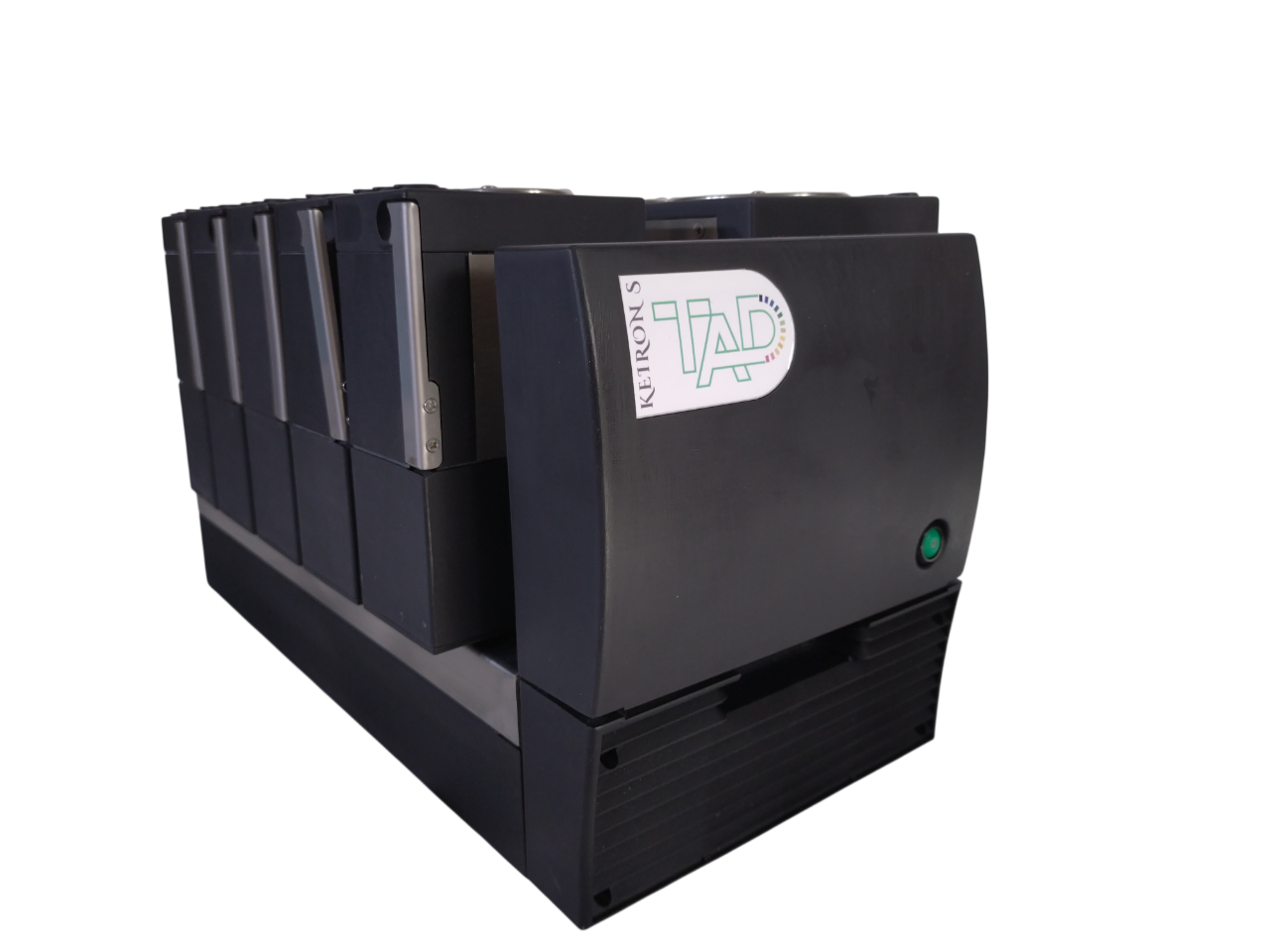
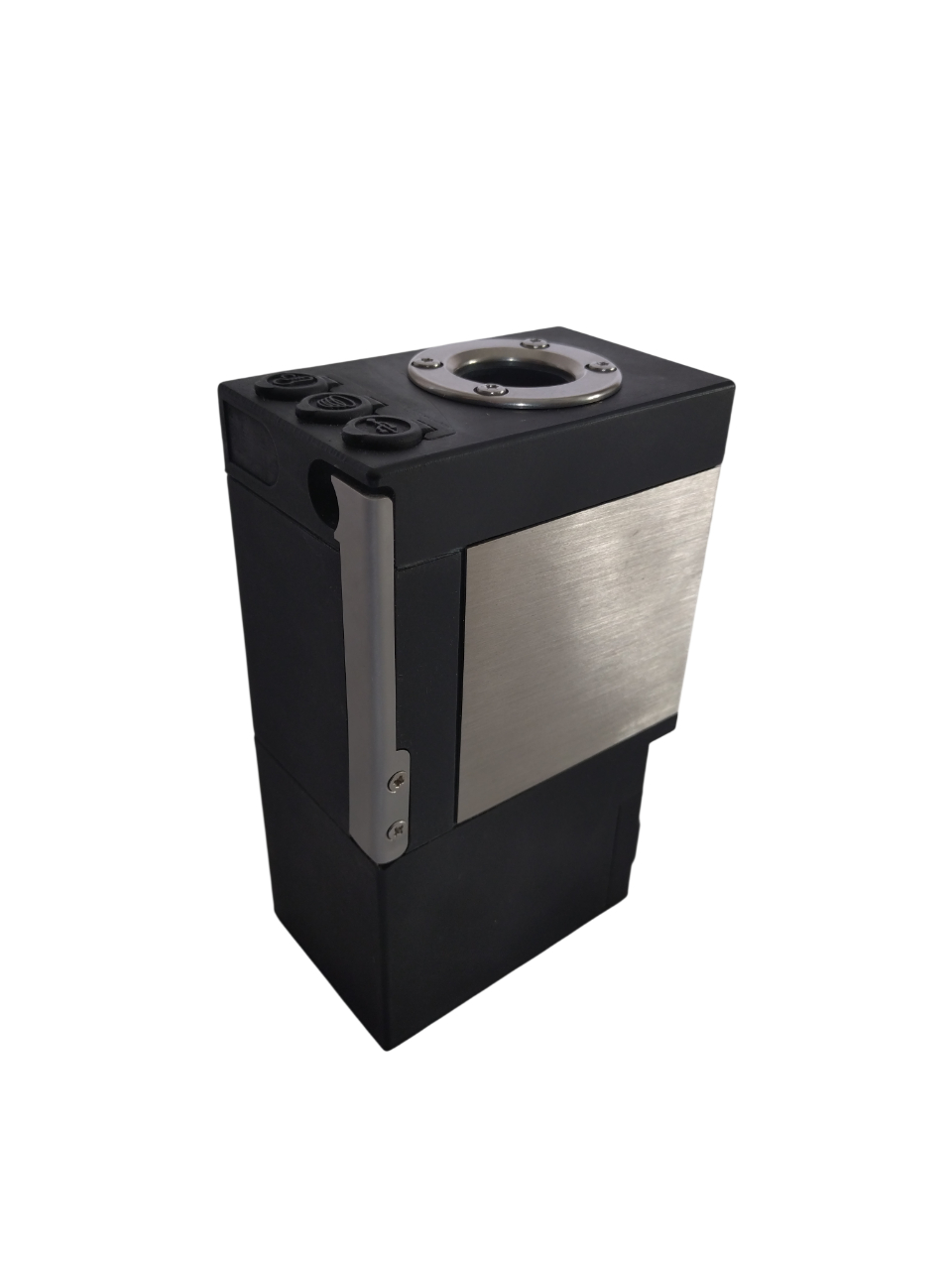
Keiron S - Modular Parallel Reactor
Advanced platform for biopharma research, process development, crystallization studies, and reaction optimization with integrated process analytical control capabilities.
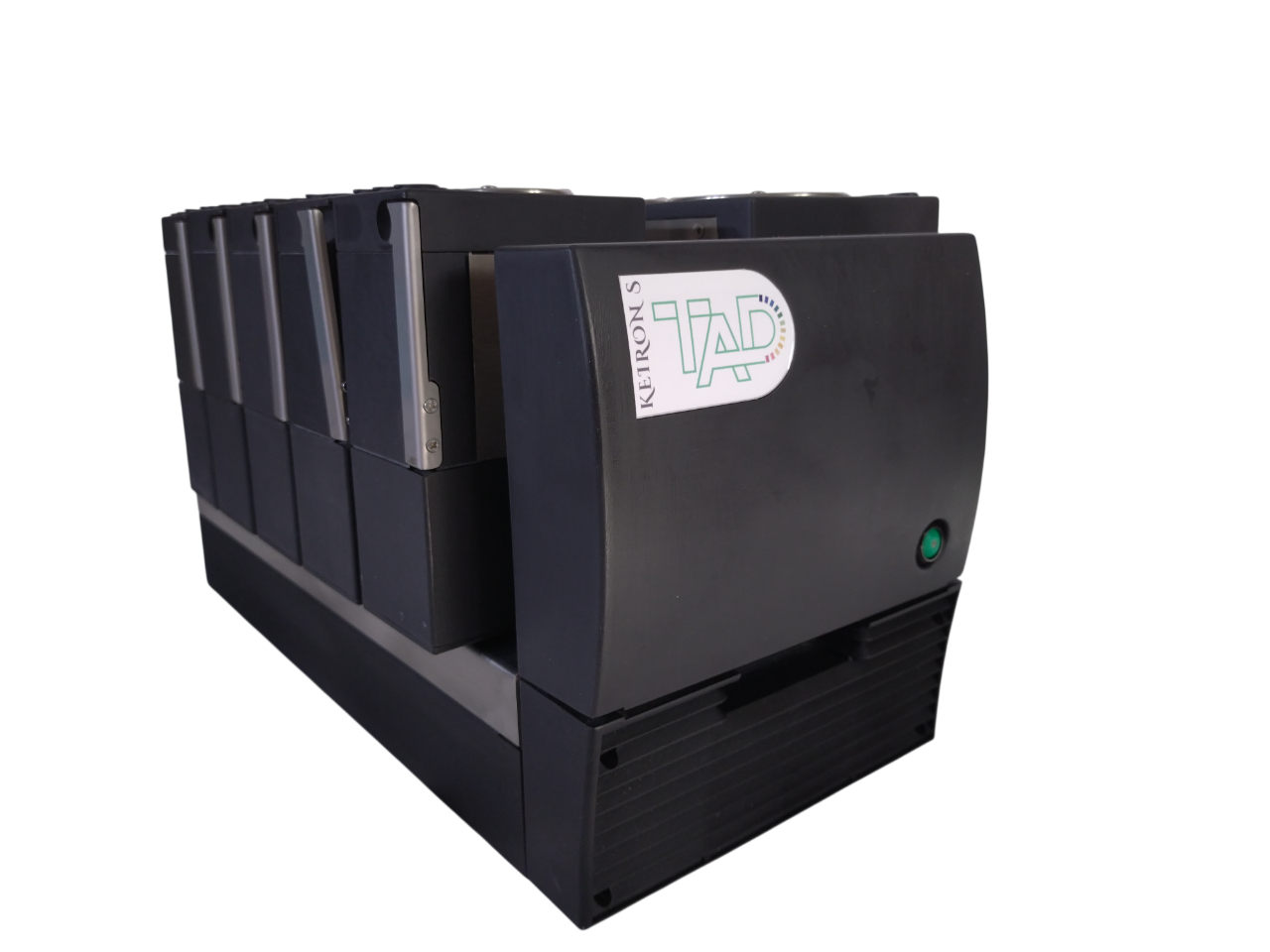
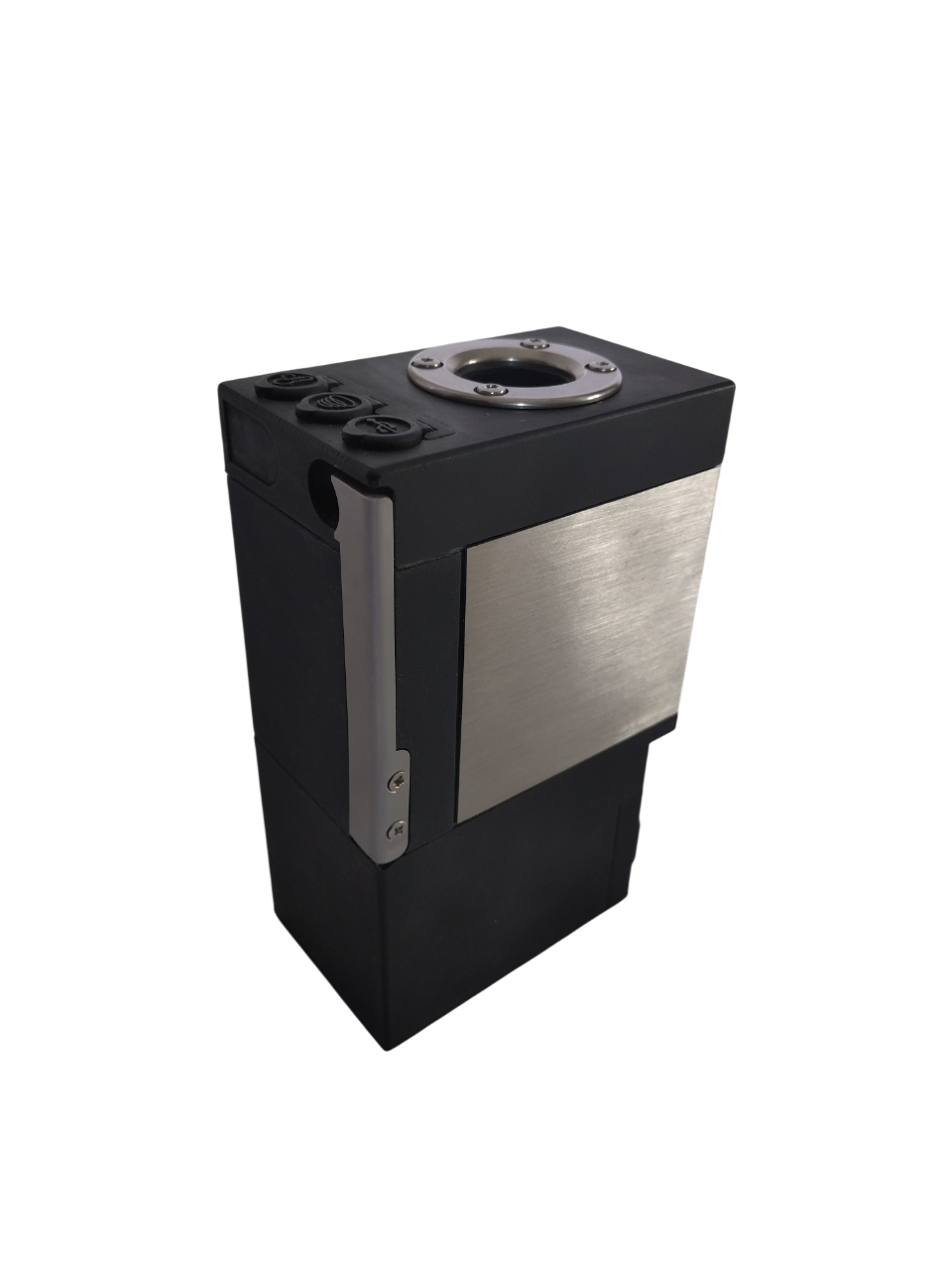
- Modular and compact plug-and-play design – minimal laboratory footprint with fast and flexible exchange of reactor cells
-
1–10 modular reactor cells with continuous 24/7 data acquisition for precise and reproducible processes
-
Cost-efficient and sustainable thanks to replaceable components within the overall system
-
Automated, role-based operation, wide temperature range, and one years of service included
-
1-year service contract and warranty ensuring maximum operational reliability and predictable maintenance costs, with extension options available
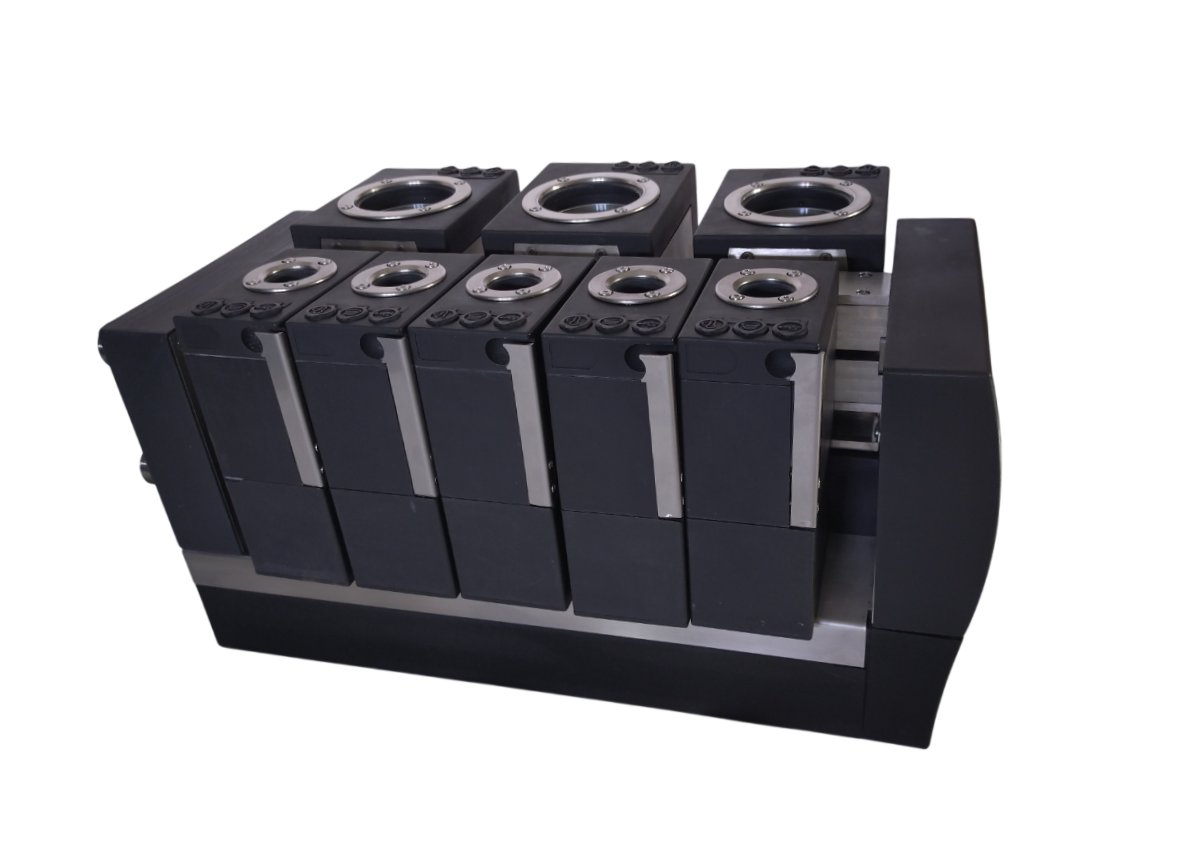
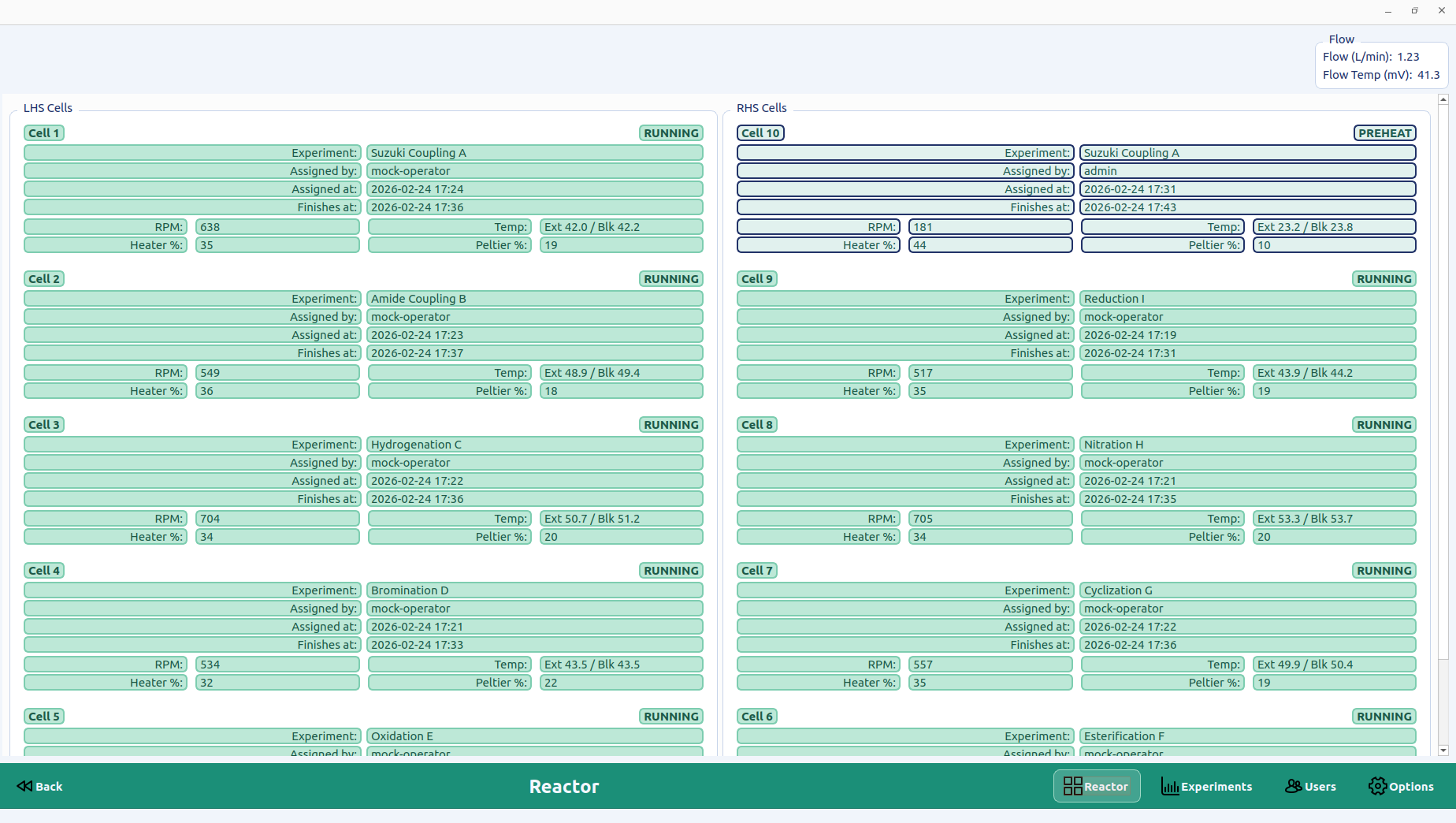
10 independently operable reactor cells
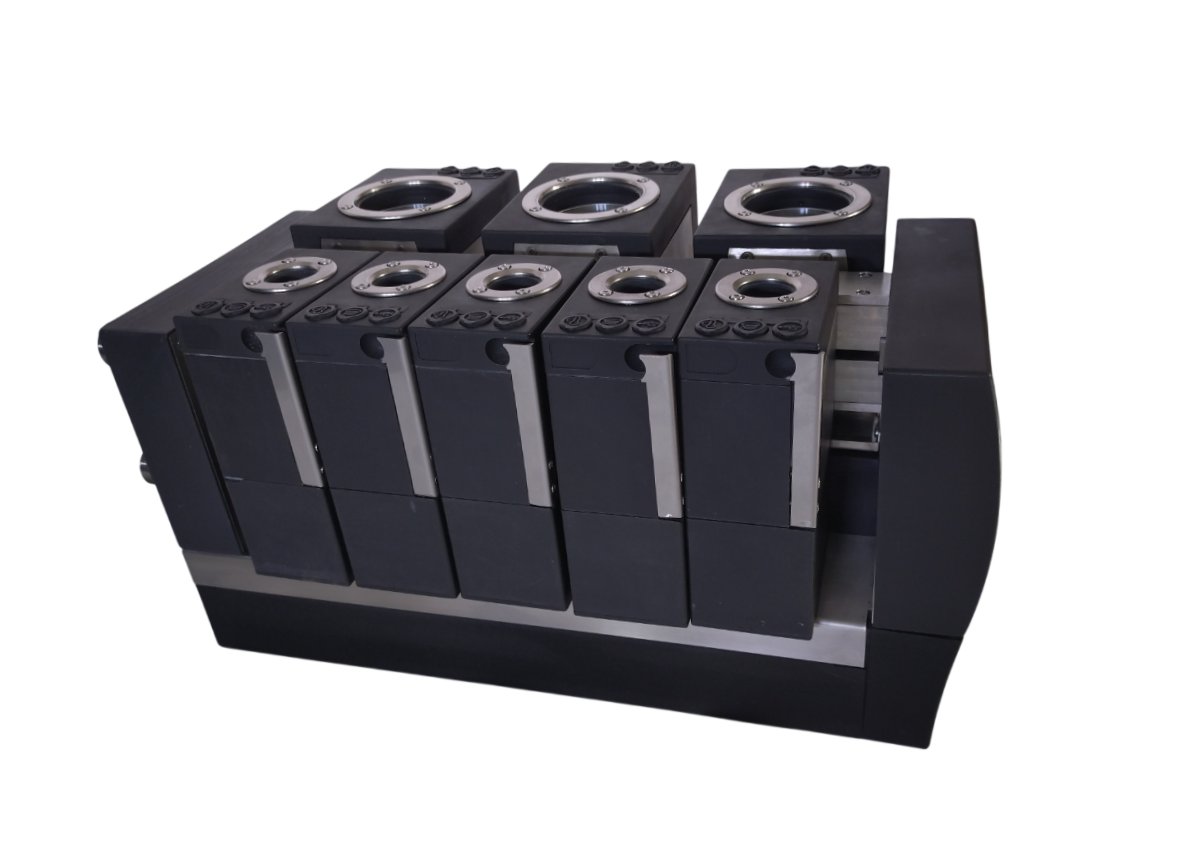
The system features 1 to 10 independently operable reactor cells with variable working volumes of 15 ml, 85 ml, and 160 ml, customizable upon request. This modular design allows precise adjustment and reproducibility of crystallization-relevant parameters, creating controlled conditions for targeted research.
Data collection around the clock
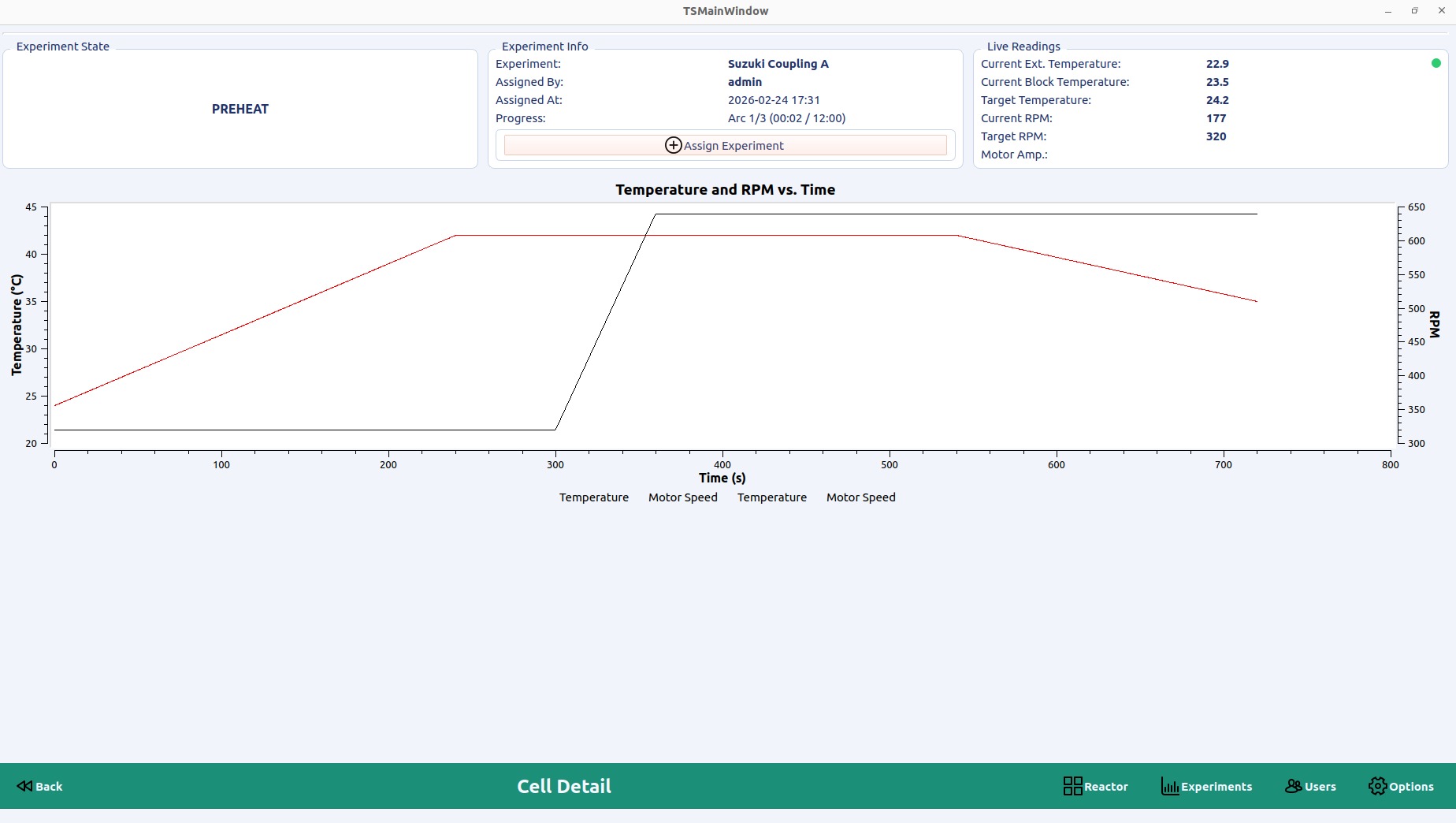
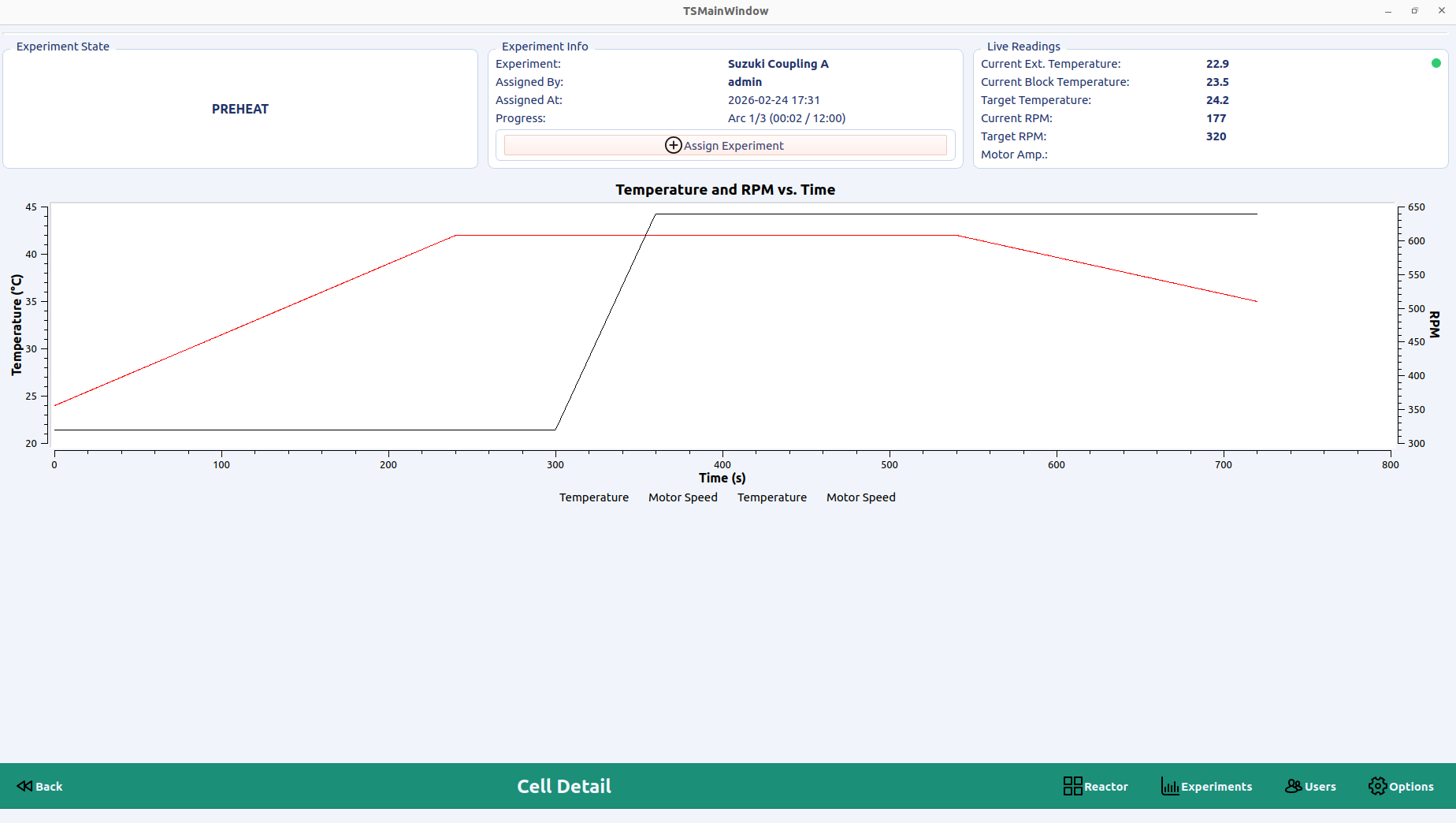
Continuous 24/7 data acquisition of all process parameters for each individual reactor cell ensures comprehensive process monitoring and enables downstream data-driven analysis. This significantly improves transparency, comparability, and scalability of experimental results.
Independent Process Control
Each position features individually controlled stirring with a speed range from 200 to 2000 rpm, enabling precise control of crystallization and mixing conditions for every experiment.
A broad operating temperature range from −20 °C to 160 °C provides exceptional methodological flexibility, allowing researchers to investigate a wide variety of material systems under diverse thermodynamic conditions.
All system settings are conveniently controlled via a standard laptop or tablet, ensuring intuitive operation and seamless integration into modern laboratory workflows.
Scalable & Flexible Software Architecture
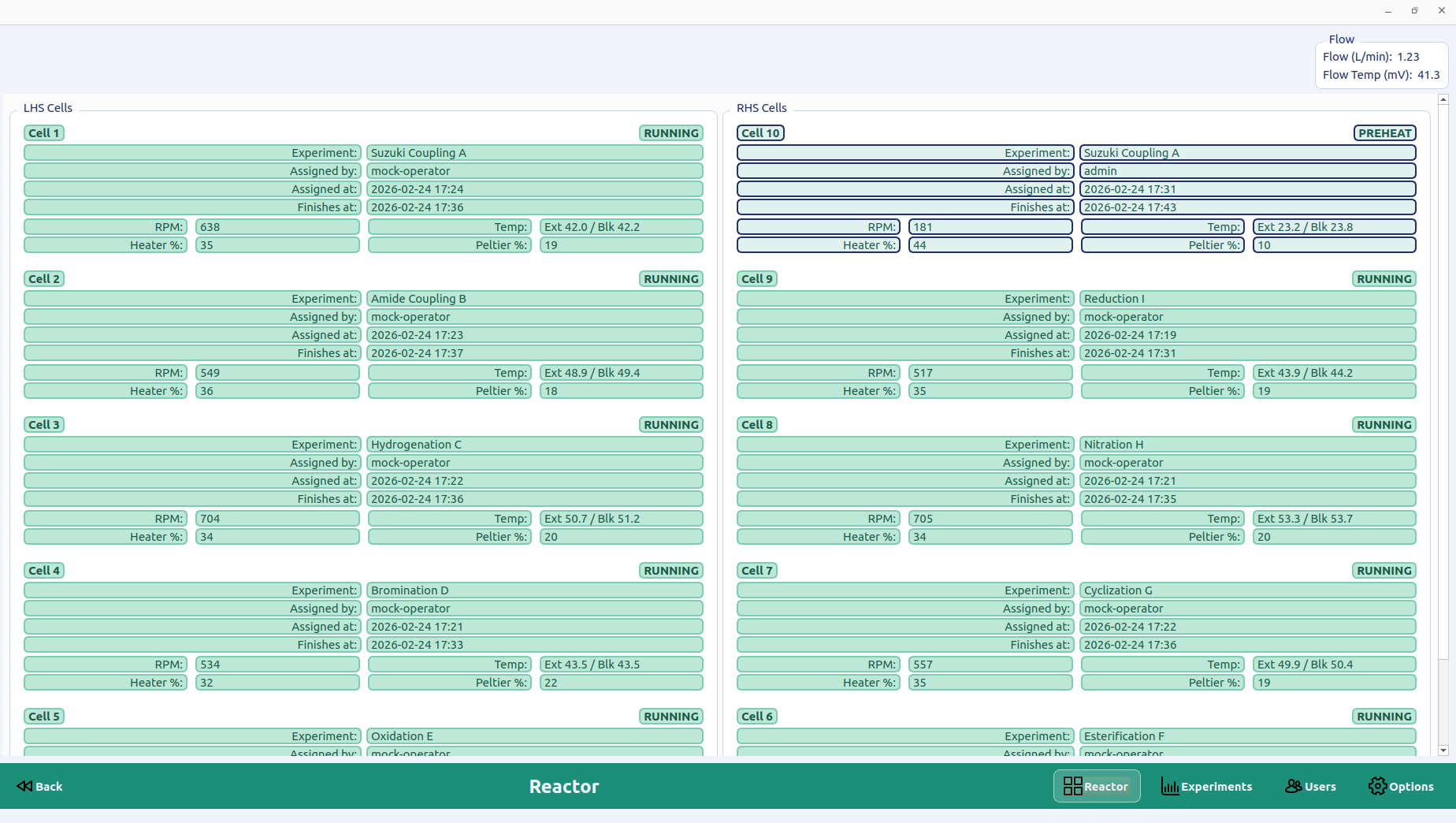
With a properly configured and scalable software architecture, Keiron S can operate either as a single instance or as multiple instances within the ame server infrastructure. This flexible and scalable system design enables adaptation to different load and application scenarios as needed. Integration of Keiron S into existing server systems is also available upon request.
Additionally, differentiated and role-based user management allows simultaneous execution of individual (private) and publicly accessible experiments within the same system environment. This ensures efficient use of resources while maintaining access control, data integrity, and experimental separation.
Process automation has been systematically optimized and functionally simplified, significantly reducing the time required to configure and implement experimental setups. This leads to increased operational efficiency, improved reproducibility of experiments, and higher throughput in research and development processes.
The purchase includes a comprehensive 1-year service contract, ensuring maximum operational reliability and predictable maintenance costs. In case of repairs, a loan device or replacement cell will be provided, allowing your research and production processes to continue without interruption.

 +46.706 049 004